Figuring out if you can get food stamps (also known as SNAP, the Supplemental Nutrition Assistance Program) can be a little tricky, especially when you live with someone who already gets them. It’s a common question, and the answer isn’t always a simple yes or no. This essay will break down the rules and help you understand how living arrangements and existing food stamp benefits affect your own eligibility. We’ll look at different scenarios and what you need to know to navigate the system. Let’s get started!
The Basic Question: Can You Get Your Own Food Stamps?
So, can you get your own food stamps if the person you live with already has them? Generally, yes, but it depends on how the state defines your household. If the state considers you part of the same “household” as the person already receiving benefits, your income and resources will be considered when determining your eligibility.
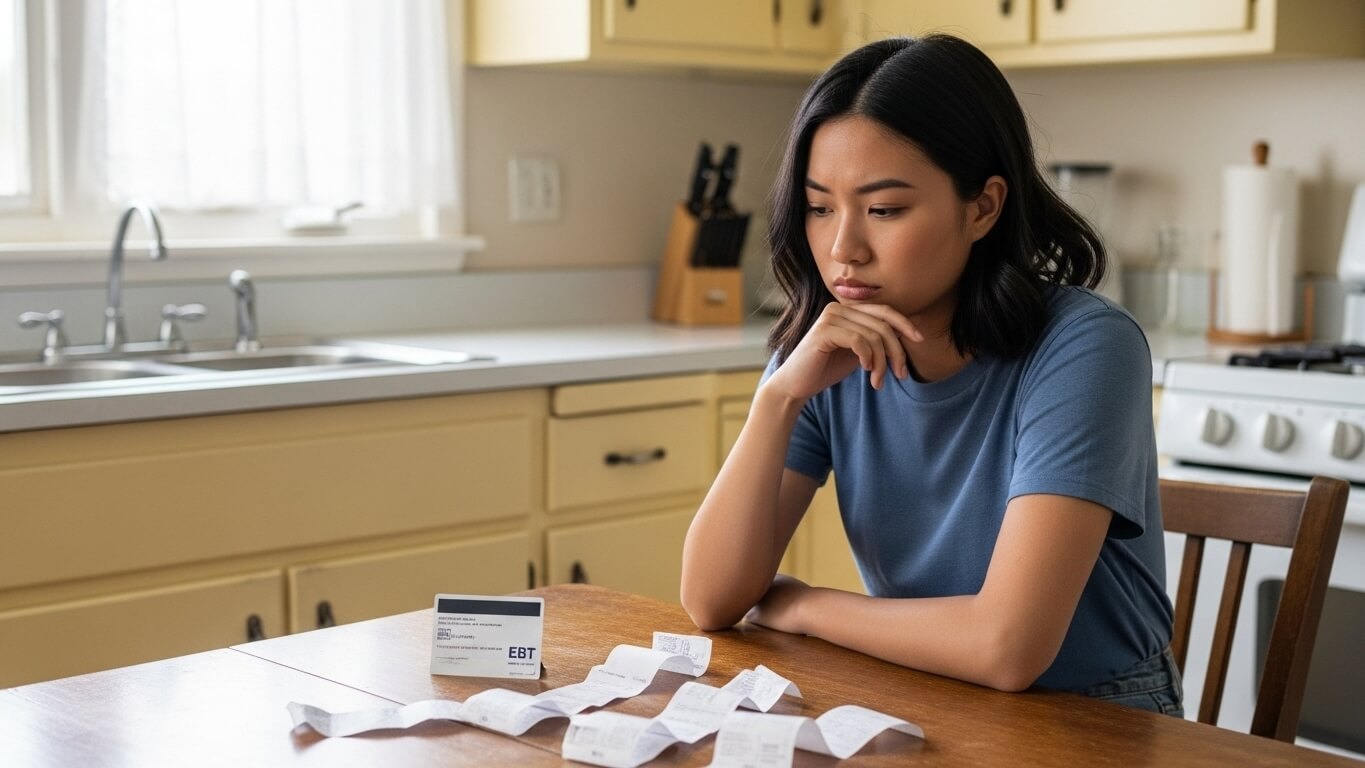
What Does “Household” Mean?
The definition of “household” is super important when it comes to food stamps. The government doesn’t always look at who’s living under the same roof. It cares about who buys and prepares food together. If you share meals and groceries, you’re often considered part of the same household, even if you’re not related. This is important because the state will look at everyone’s income and resources to see if the group qualifies for SNAP.
Here’s what they usually consider when deciding if you are part of the same household:
- Do you buy food together?
- Do you prepare meals together?
- Do you share living expenses like rent or utilities?
If you do most of these things with the person who already has food stamps, you will likely be considered part of their household. That means you will probably need to apply together, and your income would count toward the household’s eligibility.
Let’s pretend you’re living with a friend who already gets SNAP benefits. If you buy your own food and cook separately, you might be considered a separate household. If you’re both college students, the rules might be different, too. It’s all about how you function as a unit when it comes to food.
Income Limits and Resources
One of the main things that determines eligibility for food stamps is your income. Each state has its own income limits, and these limits depend on the size of your household. If you are considered part of the same household as someone already receiving SNAP, your income will be added to theirs to see if you all meet the requirements.
Not only income matters, but also the resources you own. Resources include things like bank accounts, stocks, and bonds. There are limits on how much you can have in resources and still qualify for SNAP. The amounts vary by state and sometimes depend on whether someone in your household is elderly or disabled. You can think of it like this:
- Check your income: Does your combined income fall within the state’s guidelines for your household size?
- Consider your resources: Do you have too much money or assets?
- Remember: The rules change depending on your location, so check with your local office.
Let’s say you’re single and your state says the income limit is $2,000 a month for a household of one. If you live with someone who already gets SNAP and your combined income is $2,500, you won’t qualify. That’s because the total income is over the limit, and you will likely be considered a single household.
Separate Living Spaces: A Potential Factor
If you and the person with food stamps live in completely separate living spaces within the same building, it could affect how the state sees your situation. For example, imagine you have your own apartment within a larger house, with a separate entrance, kitchen, and bathroom. You might be treated as two separate households, even though you’re under the same roof.
However, even with separate living spaces, other factors come into play. If you still share some expenses or regularly eat meals together, the state might still consider you one household. The key is to show that you function as a separate unit, with your own food, cooking, and buying arrangements. If you have separate kitchens, that is a significant factor.
Think of it this way:
| Shared Expenses? | Separate Living Spaces? | Likely Outcome |
|---|---|---|
| Yes | No | One Household |
| No | Yes | Potentially Two Households |
The state will ask questions and investigate based on your information.
The Impact of Shared Bills
Sharing bills is another critical consideration. If you split rent, utilities, and other living expenses with the person who already receives food stamps, the state will likely consider you part of the same economic unit. This means your income and resources will be factored into the SNAP eligibility calculations.
If you and the other person share bills, it strengthens the case that you’re functioning as a single household. The state looks for how people handle their finances together. Are you both on the same lease? Do you contribute to a joint account for groceries and other household needs? All of these things are relevant.
Here’s a quick example: If you both share rent and you have income, the state would add up both your incomes and decide if the total income meets the limits to get SNAP. If you pay all your own bills, the state might see you as separate, even if you live together.
- Shared bills often mean a combined household.
- Separate bills can suggest two households, but not always.
- The details of your situation matter!
The food stamp program will review your bills when you apply for SNAP.
Special Situations: College Students and Roommates
College students and roommates can face some unique rules regarding food stamps. The general rule is that if you’re a college student, it can be harder to qualify, unless you meet specific exceptions, like working a certain number of hours, being a single parent, or being unable to work. These exceptions apply whether you live with someone who has food stamps or not.
Roommate situations can be complex. If you’re roommates, but you buy and prepare food separately, you might be considered separate households. But if you share meals, groceries, and expenses, you will most likely be seen as one household.
Here’s a list of potential exceptions for college students, but remember, it will be determined by the state:
- Working 20+ hours a week
- Being a single parent
- Receiving certain other government benefits
It’s important to check the rules in your specific state, especially as a college student. Always tell the SNAP office everything about your situation.
How to Apply and What to Expect
If you think you might qualify for food stamps, the first step is to apply. You can usually apply online through your state’s SNAP website or in person at your local Department of Social Services (or equivalent agency). The application process will ask about your income, resources, living situation, and expenses.
When you apply, be prepared to provide documentation, such as proof of income (pay stubs, etc.), bank statements, and information about your living situation. The state might interview you to understand your situation better. They will ask questions and might request verification of things like your address or how you buy food.
- Gather your paperwork (income, ID, address).
- Complete the application online or in person.
- Answer all questions truthfully and completely.
- Be prepared for a possible interview.
Be honest and provide accurate information. The eligibility requirements can be complicated, so don’t be afraid to ask questions during the application process.
Conclusion
So, can you get food stamps if you live with someone who has them? The answer is usually “it depends.” It depends on how your state defines a “household,” considering factors like shared expenses, how you buy and prepare food, and living arrangements. The best thing to do is apply and be prepared to answer questions about your situation honestly. Your state’s guidelines will determine your eligibility. Remember to check with your local SNAP office for the most accurate and up-to-date information, because every state can vary on its policies. Good luck!