Figuring out who can get help from the government can be tricky! One of the most common questions is whether undocumented immigrants can receive food stamps, also known as the Supplemental Nutrition Assistance Program (SNAP). SNAP helps people with low incomes buy groceries. This essay will break down the rules and regulations surrounding SNAP and undocumented immigrants, exploring the different scenarios and focusing on the key information you need to know.
The Simple Answer: Who Is Eligible?
Generally, undocumented immigrants are not directly eligible for SNAP benefits. This means that if someone is living in the United States without legal permission, they usually can’t apply for and receive food stamps for themselves. However, this doesn’t mean that no one in their household can benefit.
Exceptions for Certain Family Members
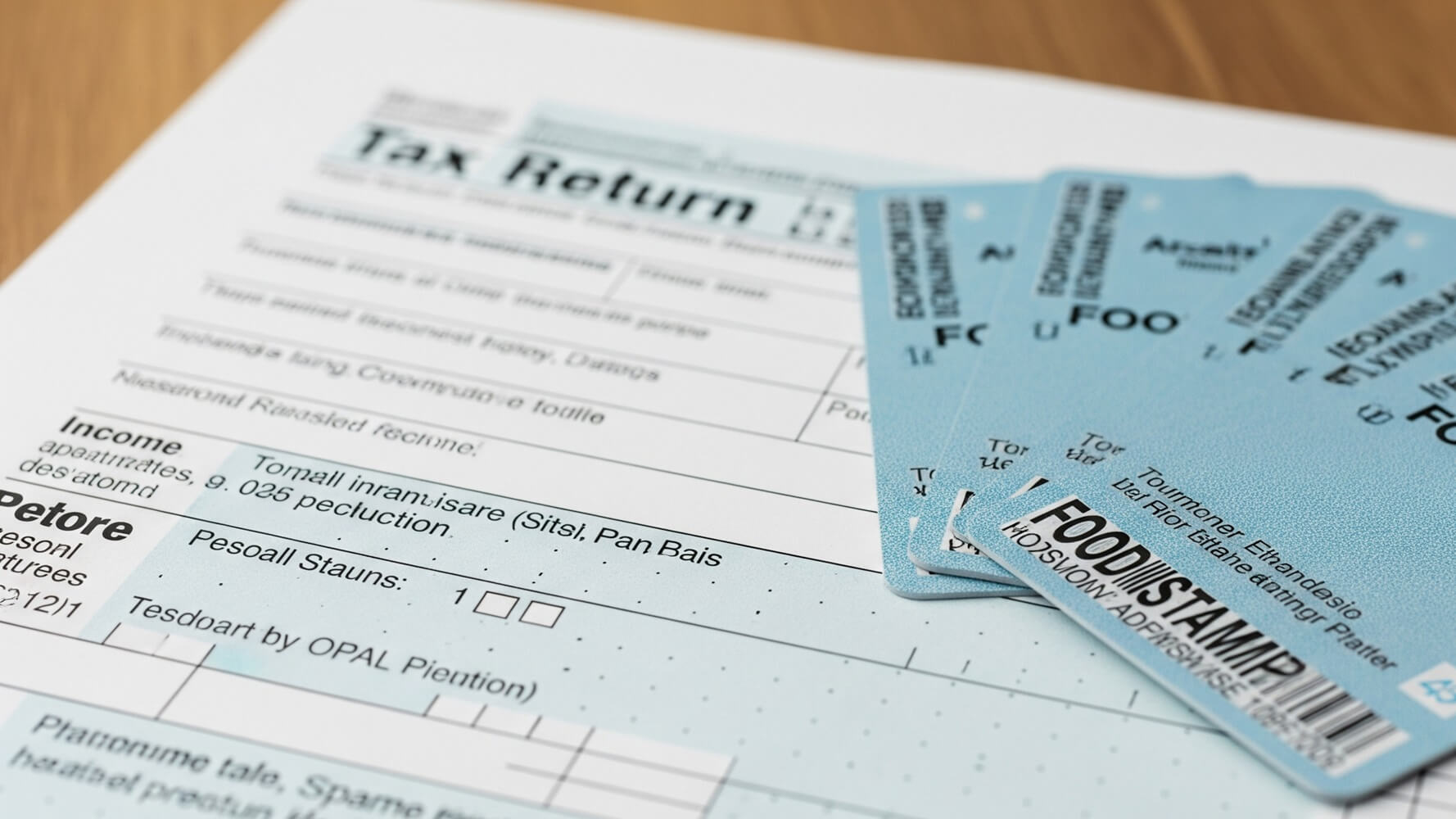
Sometimes, even if an undocumented immigrant can’t get food stamps themselves, other people in their household *might* be able to. This usually depends on their immigration status. For example, if a child is a U.S. citizen or has legal status, they could be eligible for SNAP, even if their parents are undocumented. This is because SNAP eligibility is often determined by the individual’s status, not necessarily the entire family’s.
Here’s where it can get a little complicated: the income of the undocumented parent is sometimes considered when deciding if the eligible child or other family member gets SNAP. This is because the government looks at the total household income to determine if someone needs help. The specific rules can change depending on the state and federal regulations.
The eligibility process often looks like this:
- An individual applies for SNAP.
- The government checks their immigration status.
- If they are eligible, the government determines if they can participate in the program.
- If they are not eligible, but have family members that are eligible, their household income is then evaluated.
It’s important to remember that even if an undocumented parent’s income is considered, they themselves won’t receive the SNAP benefits.
The Role of Children’s Eligibility
One important factor is the citizenship or legal status of children. As mentioned before, children who are U.S. citizens or have legal status are often eligible for SNAP, even if their parents are not. This is to ensure that kids have enough food to eat, regardless of their parents’ immigration status.
This means a mixed-status family – where some family members are citizens or have legal status, and others are undocumented – can be eligible. The eligible children would get the food stamps. This can make a huge difference in helping families meet their basic needs.
The government wants to make sure children are cared for. SNAP helps families with children so they can eat healthy.
- A child is a U.S. citizen.
- The child lives with undocumented parents.
- The child applies for SNAP.
- The child’s application is approved if they meet other requirements.
The Impact on U.S. Citizens and Legal Residents
The policies around SNAP and undocumented immigrants are often about helping U.S. citizens and legal residents. The aim is to make sure people who are legally allowed to be in the United States and meet income requirements have access to food assistance if they need it.
These policies are designed to ensure that children in mixed-status families, who are U.S. citizens or legal residents, are not penalized because of their parents’ immigration status. This is a reflection of the value placed on protecting the welfare of vulnerable children.
It’s worth noting that SNAP is funded by taxpayers, and there are always debates about who should receive these benefits. Some people believe that SNAP should be available to anyone who meets income requirements, regardless of their immigration status, while others believe it should primarily benefit U.S. citizens and legal residents.
- SNAP helps U.S. citizens.
- It helps legal residents.
- It doesn’t usually directly help undocumented immigrants.
- The government has to balance its budget.
State Variations in SNAP Policies
The rules for SNAP can also change a little bit depending on which state you live in. While the federal government sets the basic rules for SNAP, states have some flexibility in how they run the program. This means that eligibility requirements, application processes, and even the types of benefits offered can vary from state to state.
Some states may have different interpretations of federal rules or implement their own additional policies within the framework of SNAP. This can lead to slight differences in the availability of benefits for certain groups, including mixed-status families.
Because of these differences, it’s always a good idea to check the specific SNAP rules for your state. You can usually find this information on your state’s government website or by contacting your local SNAP office.
| State | SNAP Guidelines |
|---|---|
| California | Generally follows federal guidelines, with some state-specific programs. |
| Texas | Also follows federal rules, with resources available for applicants. |
| New York | Offers information in several languages. |
States have different rules, and the easiest way to get accurate information is to look up your state’s policies.
Other Forms of Assistance and Undocumented Immigrants
Even if undocumented immigrants aren’t eligible for SNAP, they may still be able to receive help from other programs, depending on their state and the specific situation. There might be local food banks, charities, or other organizations that offer food assistance or other services, like healthcare or help with housing. These organizations often step in to fill gaps where government programs can’t reach.
Many communities also have immigrant resource centers that provide information, support, and assistance to undocumented immigrants and their families. These centers can help people navigate various social services and resources available to them.
Furthermore, some states and local governments have created programs to support families and individuals who don’t qualify for federal assistance. These might include state-funded food programs or financial aid.
- Local food banks.
- Charities.
- Immigrant resource centers.
- State-funded programs.
The Importance of Accurate Information
It’s extremely important to get correct and up-to-date information about SNAP and eligibility requirements. Immigration laws and policies can change, and the rules for social programs like SNAP are also sometimes updated. Always check official sources like government websites or speak to a caseworker.
There are also organizations that can help. These organizations can provide information about resources available to people. Do not rely on information from unreliable sources, as it can be inaccurate or outdated.
Getting the right information is crucial for anyone trying to access SNAP or other support programs.
- Official government websites.
- Social worker.
- Immigration lawyers.
- Reliable sources.
Conclusion
In conclusion, while undocumented immigrants are generally not eligible to directly receive SNAP benefits, the situation is more nuanced than it might seem. The eligibility of other household members, such as U.S. citizen children or legal residents, can open doors to assistance, even within a mixed-status family. Understanding the rules, state variations, and the availability of alternative resources is key. Always seek accurate and current information from reliable sources to make informed decisions about your situation. Navigating these systems can be complex, but with the right information, families can work to make sure they have enough food to eat.