Figuring out if you’re eligible for food stamps, officially known as the Supplemental Nutrition Assistance Program (SNAP), can be tricky, especially if you’ve had run-ins with the law. Many people wonder if a felony drug conviction automatically disqualifies them from getting help with groceries. This essay will break down the rules and what you need to know about SNAP benefits and felony drug charges.
The Federal Rules: A Historical Overview
The answer to whether you can receive food stamps if you have a felony drug conviction is, “it depends.” Federal law used to ban people with felony drug convictions from receiving SNAP benefits entirely. This changed in the early 2000s, but the specifics are important.
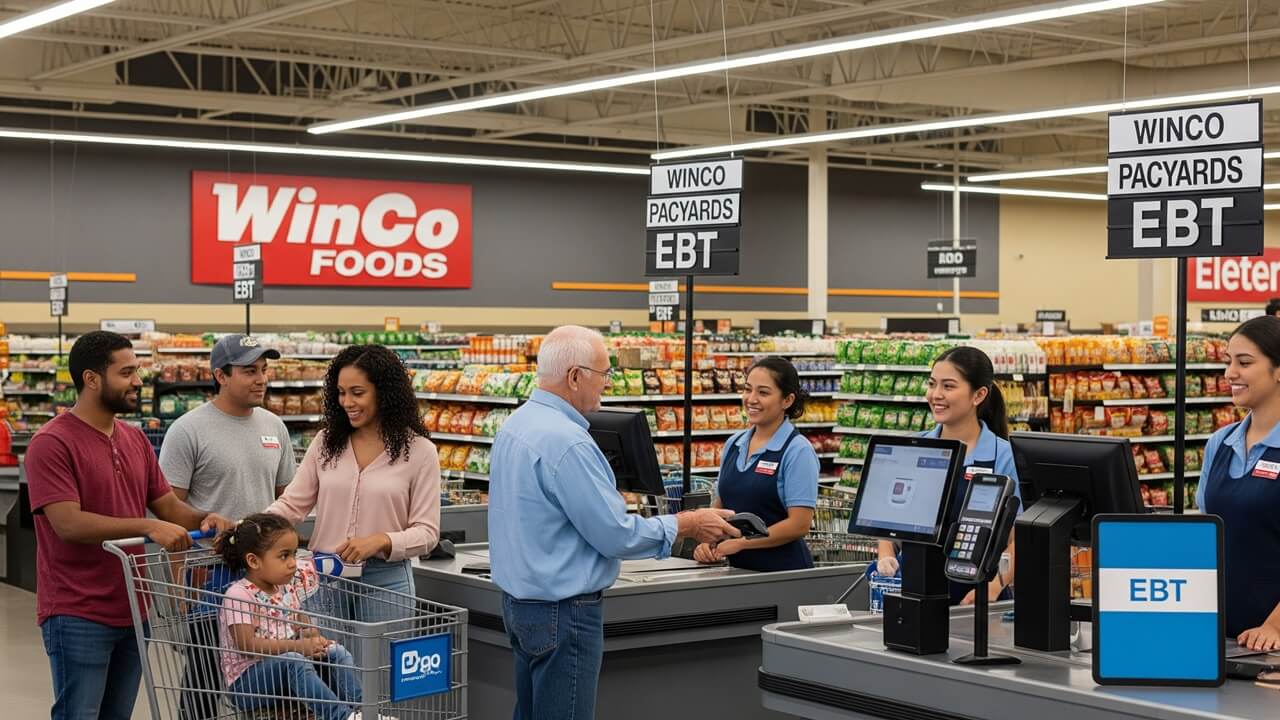
Before the change, the rules were pretty harsh. Anyone with a drug felony conviction, even if it was a long time ago, was out of luck. This caused problems because it affected people’s ability to get back on their feet after making mistakes. It was seen as a barrier to rehabilitation and a challenge to the goal of reducing crime. This strict policy was the result of legislation passed in the 1990s, reflecting a tough-on-crime approach.
Thankfully, most states have since changed their rules. These changes happened at different times, so eligibility varies by state. This makes it even more complicated to understand the rules because what’s true in one state may not be true in another.
The federal government, after realizing how it could impede people’s ability to get back on their feet, allowed states to modify the policy. This shift showed a move toward giving states more flexibility in how they handle their SNAP programs, allowing them to tailor the rules to their specific needs and priorities, as well as address local needs and challenges.
State-Level Variations: The Current Landscape
Most states no longer have a lifetime ban on SNAP benefits for people with felony drug convictions. However, the rules vary significantly from state to state. Some states have fully repealed the ban, some have modified it to allow eligibility after certain conditions are met (like completing a drug treatment program or being drug-free for a certain period), and some still have some restrictions in place.
Here’s a breakdown of some possible approaches:
- Full Eligibility: Some states allow people with felony drug convictions to receive SNAP benefits without any additional requirements.
- Limited Eligibility: Some states have lifted the ban entirely, making all eligible for SNAP benefits regardless of the drug conviction status.
- Conditional Eligibility: Other states have modified the rules, often requiring people to meet certain conditions, such as:
- Completing a drug treatment program.
- Passing regular drug tests.
- Being drug-free for a set amount of time.
This kind of state-by-state approach shows that the government understands that what works in one place may not work in another, allowing for a more individualized way to tackle the problem.
The Impact of Drug Treatment Programs
Many states have included drug treatment programs in their eligibility criteria. This shows the importance of recovery and rehabilitation. If you have a felony drug conviction, completing a state-approved drug treatment program might be a key step toward getting SNAP benefits. This helps people get the help they need to overcome drug addiction.
These programs can include counseling, therapy, and support groups. They are designed to help people become and stay drug-free. These programs can also help people develop life skills, find employment, and build a support network.
Here are some important things to know about drug treatment programs and SNAP:
- Proof of completion: You will usually need to provide proof that you’ve finished the program.
- Program requirements: You’ll need to follow all the rules of the treatment program.
- Ongoing monitoring: Some programs may require you to continue to attend meetings.
By focusing on treatment, states can provide a path for people to recover from addiction, re-enter society, and become productive members of their communities.
Drug Testing and SNAP Benefits
Some states require people with felony drug convictions to undergo regular drug testing to keep their SNAP benefits. This aims to ensure that people are staying drug-free. Drug testing is another tool that some states use to make sure people are staying clean, allowing them to maintain their SNAP benefits while supporting their journey toward recovery.
The frequency of drug testing can vary. It might be weekly, monthly, or less often. The testing is usually done through urine samples, but some programs may use other methods.
Failing a drug test can lead to serious consequences. Depending on the state, this could mean:
- Suspension of benefits.
- Loss of benefits.
- Being required to enter a treatment program.
Drug testing programs are often used in conjunction with treatment programs. This combination can give individuals support in their recovery journey.
The Role of Employment and Work Requirements
Even if you’re eligible for SNAP, there might be work requirements. This means you might need to work or participate in a job training program to keep your benefits. These rules aim to help people become self-sufficient and find jobs.
These work requirements vary by state and also depend on your age and other circumstances. Some states may have specific requirements for people with felony drug convictions. This could include participating in job training, searching for a job, or working a certain number of hours per week.
Here’s an example of possible work requirements:
| Requirement | Details |
|---|---|
| Job Search | Individuals are required to look for a job, possibly documenting their job search efforts. |
| Work Hours | Individuals may need to work a minimum number of hours per week to keep their benefits. |
| Job Training | Individuals may be required to participate in job training programs to gain employable skills. |
Work requirements can be a way for people to gain skills and experience that will allow them to get a job and, eventually, no longer need SNAP benefits.
Finding Out the Rules in Your State
The rules regarding SNAP benefits and felony drug convictions vary by state, so it’s important to find out the specific rules for your state. The easiest way to do this is to contact your state’s SNAP agency directly. You can usually find their contact information on your state’s government website or by doing a quick internet search. These agencies can provide you with the most up-to-date and accurate information.
Here’s how to get the information you need:
- Visit your state’s official website: Search online for “SNAP” and your state’s name.
- Contact your local SNAP office: They can answer your questions and provide guidance.
- Ask for help from a legal aid organization: They can provide legal advice and assistance.
Also, remember that the rules can change. It’s a good idea to check the rules regularly to make sure you have the most recent information. The information you receive will depend on your individual circumstances.
In conclusion, navigating SNAP eligibility with a felony drug conviction can be complicated. While the federal government has relaxed its rules, state laws vary. It’s essential to research your state’s specific regulations, as they might include conditions like completing drug treatment or undergoing drug testing. Contacting your local SNAP office is the best way to get accurate information and understand your options. By understanding the rules and seeking help when needed, you can successfully navigate the process and access the food assistance you need.