Figuring out if you can get food stamps, which are officially called the Supplemental Nutrition Assistance Program (SNAP), can be a little confusing. Especially since rules can change and there are different things to consider. This essay will walk you through the basics of how it works in Utah. We’ll cover income, resources, and some other important factors to help you understand if you might qualify for help with buying groceries.
What’s the Basic Income Requirement?
One of the biggest things SNAP looks at is your income. They want to make sure that the people receiving help really need it. Utah, like other states, uses income limits based on the size of your household. This means the more people you have in your family, the higher your income can be and still potentially qualify. The income limits are updated every year, so it’s super important to check the official Utah SNAP website for the most current numbers. Those numbers will change to account for things like inflation and the cost of living.
The income requirements are broken down into two main categories: gross monthly income and net monthly income. Gross income is your total income before any deductions. Net income is your income after certain deductions are subtracted. Generally, SNAP looks at your gross income to see if you might qualify initially. Then, they use the net income to determine the actual amount of food stamps you’ll receive.
Let’s say, hypothetically, that the current gross monthly income limit for a single-person household in Utah is $1,600. That means if you earn more than $1,600 a month *before* taxes and other deductions, you probably won’t qualify based on that specific factor alone. It is just an example, so please double check on the official Utah SNAP website. But, if you earn less than that, you might qualify, which is great! Remember that this is just one part of the whole picture.
It’s really important to know the exact income limits for your household size when you apply. This will determine if you are eligible. To get the specific income limits, you should go to the official Utah Department of Workforce Services website. You can also call them or visit a local office. They’ll be able to tell you the most up-to-date numbers, and provide you with a form.
What About Resource Limits?
SNAP also looks at your resources, which are things you own that you could potentially use to pay for food. This includes things like money in your bank accounts, stocks, and bonds. The resource limits in Utah are set, and they are intended to help people who don’t have a lot of savings or investments. This keeps SNAP from being the only program many people rely on.
Generally speaking, the resource limits are pretty low. So, if you have a lot of money saved up, you might not qualify. The specific limits can vary, so it is another factor to consider when applying. These resource limits are also set based on your household size, just like income. The resource limits are meant to keep SNAP funds going to people who need them the most.
Let’s look at a potential example of resource limits. Let’s imagine that the resource limit for a household is $2,750. This means the combined value of your countable resources (like savings accounts) must be below this amount to be eligible. Again, this is an example. Here’s what might be considered as resources:
- Cash
- Checking and savings accounts
- Stocks and bonds
- Some real estate (that isn’t your primary home)
It is important to note that not all resources are counted. For example, your primary home and your car usually are not counted towards your resources. It’s essential to get clear information on what counts as a resource from the Utah Department of Workforce Services so you can understand your eligibility. The agency will tell you what assets are used to calculate your eligibility.
How Does Your Household Size Affect Eligibility?
Your household size is a huge factor in determining whether you qualify for SNAP. SNAP considers everyone who buys and prepares food together a household. So, if you live with your parents and you all share the groceries, you’re likely considered one household. If you live with roommates but buy and prepare food separately, you might be considered separate households.
SNAP uses your household size to determine both your income and resource limits. This is to fairly evaluate your situation. For example, a larger household generally has higher income and resource limits because they have more people to feed. The amount of food stamps you receive is also determined by your household size. The bigger your family, the more benefits you are likely to receive.
To illustrate how this works, let’s look at a quick example with hypothetical income limits and benefit amounts. Remember that these are examples, and the real numbers change. Let’s say the limit for a household of one is $1,600, while the limit for a household of four is $3,200. The amount of food stamps a single-person household might receive could be, hypothetically, $291 per month, while a household of four might receive $800 per month.
Here’s an example in a table of how it might work (but remember, these are examples only, and the actual numbers would be different):
| Household Size | Hypothetical Monthly Income Limit | Hypothetical Monthly Benefit |
|---|---|---|
| 1 | $1,600 | $291 |
| 2 | $2,100 | $535 |
| 3 | $2,700 | $766 |
| 4 | $3,200 | $800 |
What about Deductions?
SNAP allows for certain deductions from your gross income to figure out your net income. These deductions help make SNAP more fair. The goal is to figure out your actual income after you’ve paid for things like work expenses, child care, and medical costs. This helps to make SNAP even more accessible to those who truly need it.
If your gross monthly income is below the limit for your household size, SNAP will then factor in allowable deductions. These deductions reduce your income and can help you qualify for SNAP. There are specific rules about which deductions are allowed, and the amount you can deduct.
Here are some examples of common deductions you might be able to take:
- A standard deduction.
- A deduction for earned income (like money you make from a job).
- Child care expenses if you need it for work or education.
- Medical expenses for elderly or disabled people.
- Certain child support payments.
- Shelter costs.
Make sure you have all the information to accurately report your income and expenses when you apply. The deductions can impact the amount of food stamps you receive, so it’s important to provide all relevant information. This will help to make sure the food stamps go to those who need them most.
Are There Any Other Requirements?
Besides income and resources, there are a few other things SNAP might look at. For instance, if you’re an able-bodied adult without dependents (meaning you don’t have children to care for), you might need to meet certain work requirements to get SNAP. This usually means registering for work or participating in a job training program. These work requirements help those who can work, to get back in the workforce.
There are exceptions to these requirements. For example, people who are disabled, elderly, or have young children might not have to meet them. SNAP wants to help people get back on their feet and become financially independent. The work requirements are in place to help people reach that point.
Other requirements involve residency. You typically need to be a resident of Utah to be eligible for SNAP. You also need to provide information to help the agency verify your identity. You may also need to provide your Social Security number.
It’s important to be honest and provide accurate information on your application. This will help the process go smoothly and make sure you’re getting the help you need. Failing to report something correctly can lead to delays or even the loss of benefits. You can always ask for help if you are unsure about anything.
How Do I Apply for Food Stamps in Utah?
The application process is pretty straightforward, but it’s important to do it correctly. The easiest way to apply is usually online through the Utah Department of Workforce Services (DWS) website. You can also apply in person at a DWS office. They also offer assistance over the phone.
The online application is a great way to start because you can usually do it from home. You will need to create an account, if you don’t already have one, and fill out the application form. You’ll be asked for information about your income, resources, household size, and other details.
You’ll also need to provide documentation to verify the information you provide. This may include:
- Proof of income (like pay stubs)
- Proof of identity (like a driver’s license or state ID)
- Proof of residency (like a utility bill or lease agreement)
- Bank statements
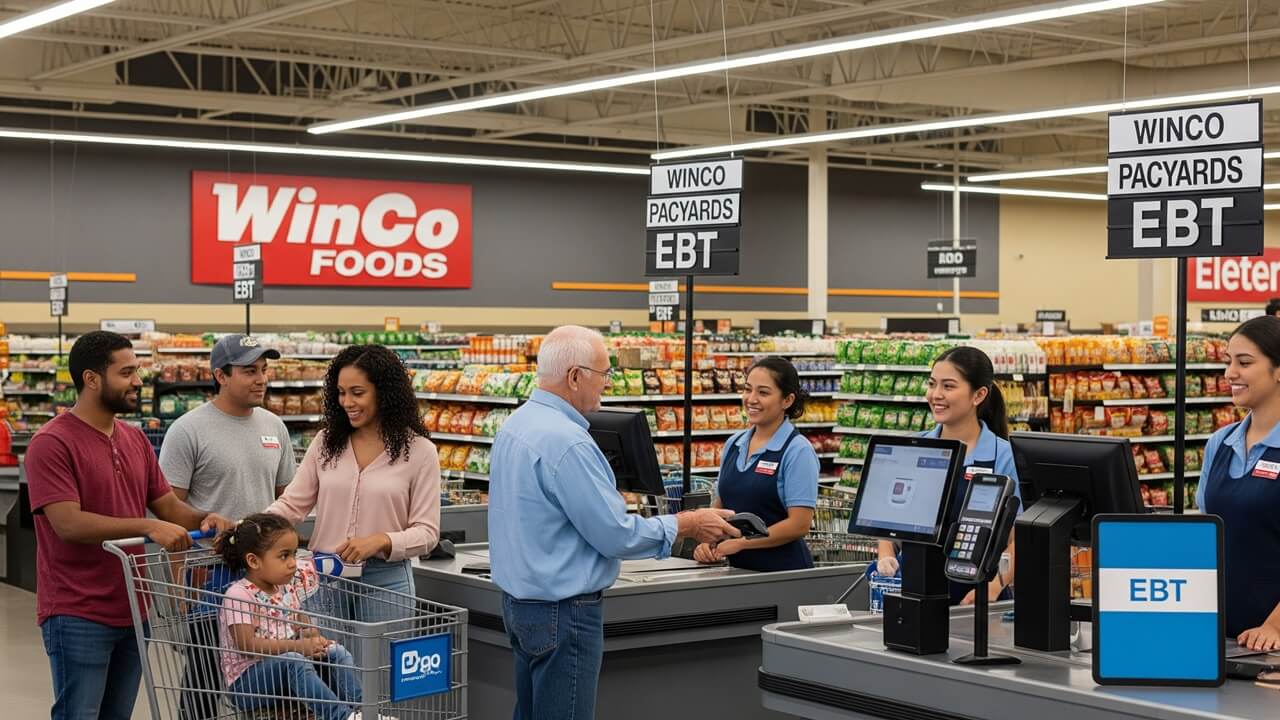
DWS will review your application and the documentation you provide. If everything is in order, they’ll let you know if you’re approved. If approved, you’ll get an Electronic Benefit Transfer (EBT) card, which works like a debit card. You use the EBT card to buy groceries at approved stores. If your application is denied, DWS will explain why and tell you how to appeal the decision.
So, do you qualify for food stamps in Utah? It depends on a lot of things, including your income, resources, household size, and other factors. The best way to know for sure is to apply and provide all the necessary information. If you think you might need help with groceries, it’s definitely worth checking out. For more information or to apply, visit the Utah Department of Workforce Services website or contact your local DWS office. Good luck!