Sometimes, life throws you a curveball. Maybe you lost your job, or a natural disaster hit, or something else unexpected happened that makes it hard to get food on the table. That’s where emergency food stamps, officially known as SNAP (Supplemental Nutrition Assistance Program), can come in handy. But when you’re in a tough spot, you probably want to know, “How long does it take to get emergency food stamps?” This essay will explain everything you need to know.
The Quick Answer: How Quickly Can You Get Help?
So, what’s the deal? In most states, if you qualify for emergency food stamps, you could potentially get them within a few days, or even faster. However, the exact timeline can vary quite a bit depending on where you live and the specific circumstances of your situation.
What Makes You Eligible for Emergency SNAP?
To get emergency SNAP, you usually have to meet certain requirements. These aren’t always the same, but here are some common reasons people qualify:
- Having very little or no money in your bank account.
- Having little or no income, such as being recently unemployed.
- Facing immediate food needs because of a disaster.
It’s like, if you’re in a real pinch, you can potentially get help right away. The specific rules are different in each state, but the core idea is the same: to help those who urgently need food.
Keep in mind that states have a lot of flexibility to interpret federal guidelines, which means the eligibility rules can differ. Always check with your local Department of Social Services to find out the most up-to-date information.
The Application Process: What You Need to Do
The first step is always applying! You can usually do this in a few ways.
- Online: Many states have online portals where you can fill out an application.
- In person: You can visit a local SNAP office.
- By mail: You can download an application and mail it in.
When you apply, you’ll need to provide information about your income, resources (like bank accounts), and household size. It’s essential to be accurate and honest. Providing false information can lead to serious consequences.
The application process might sound overwhelming, but the staff at your local SNAP office are there to help. Don’t be afraid to ask for help or clarification if you don’t understand something. They want to help you get the food you need.
Verification: Proving Your Need
After you apply, the SNAP office will need to verify the information you provided. This means they will check things like your income and the number of people in your household. They might ask you to provide documents such as:
| Document Type | Example |
|---|---|
| Proof of Identity | Driver’s license, passport |
| Proof of Income | Pay stubs, unemployment benefits letter |
| Proof of Residence | Lease agreement, utility bill |
The quicker you provide the requested documents, the faster the process will go. Delays in submitting verification documents can slow things down, so make sure to gather everything you need as quickly as possible.
Again, the best way to know what verification documents are needed is to ask the local SNAP office.
Factors That Can Speed Up the Process
Several things can influence how fast you get emergency SNAP. Your state’s workload is a big factor. During times of economic hardship or natural disasters, the SNAP offices might be swamped with applications, which can cause delays. Other things can influence the speed of the application.
Some things that can help include:
- Submitting a complete and accurate application the first time.
- Responding promptly to any requests for information from the SNAP office.
- Following up on your application if you haven’t heard back in a reasonable amount of time.
Being proactive and staying on top of things can help move the process along. Remember, the quicker you provide all the necessary information, the faster you’ll likely get approved.
In addition, states have different resources and technology at their disposal. States that have more resources or are more advanced technologically might be able to process applications faster.
Factors That Can Slow Down the Process
Unfortunately, things can sometimes slow down the process. The volume of applications is the biggest. If a lot of people are applying at the same time, the SNAP office might have a backlog.
- Incomplete applications: Missing information or mistakes can cause delays while the office tries to get the missing information.
- Verification issues: Problems with verifying your information can also slow things down.
- State-specific processing times: Some states might just take longer to process applications than others.
Be patient and understand that there are a lot of other people going through the same process. If you are having an issue or are curious about your application, don’t be afraid to follow up with the local SNAP office.
When emergencies or disasters occur, the delays can be even worse. This is because the number of people applying for benefits increases dramatically in these cases.
What Happens After You’re Approved?
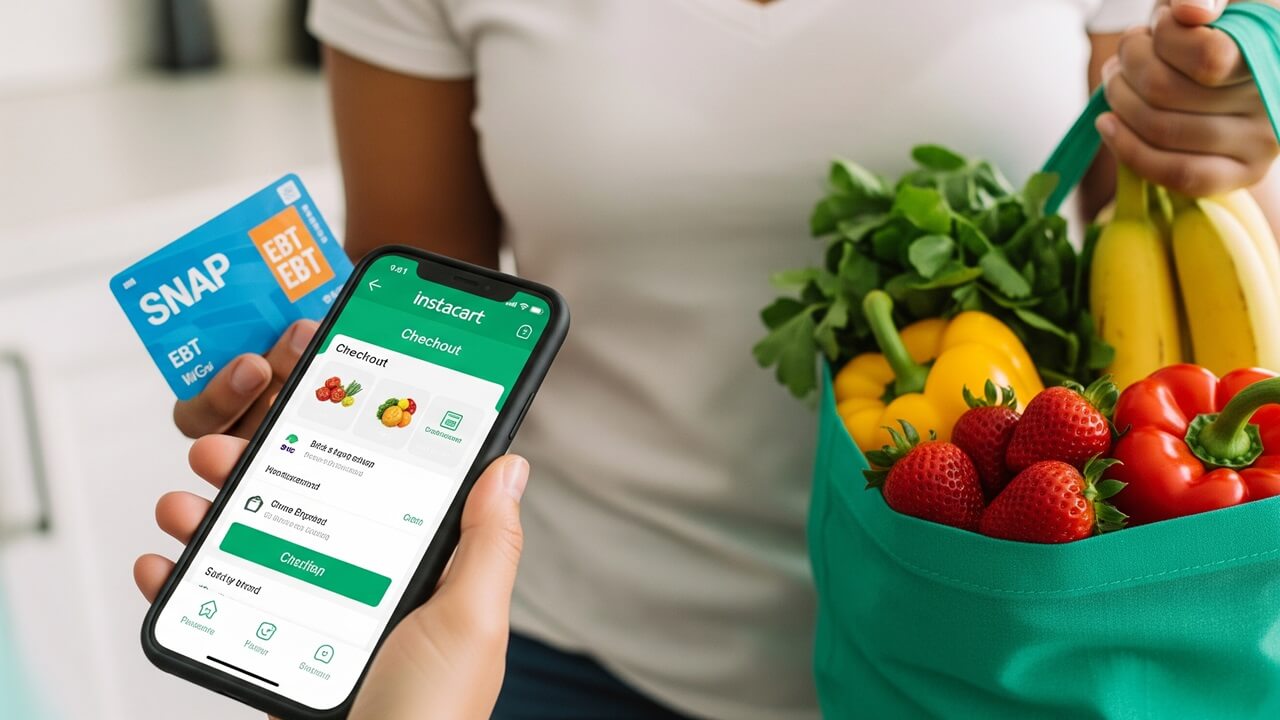
Once you are approved for emergency SNAP, you’ll receive benefits on an Electronic Benefit Transfer (EBT) card. It works like a debit card that you can use to buy food at most grocery stores and some farmers’ markets.
Here’s what you need to know:
- You’ll typically receive your EBT card in the mail.
- Once you get your card, you can start using it immediately.
- The amount of SNAP benefits you get depends on your income, household size, and other factors.
The EBT card is a lifeline, and it allows you to quickly get food for you and your family. Make sure to keep the card secure and protect your PIN (Personal Identification Number).
You’ll also need to check your state’s guidelines for how long you can receive these emergency benefits. Generally, SNAP is a temporary program to help you get back on your feet. Depending on your financial status, you might need to reapply for SNAP after a period of time.
Conclusion
Getting emergency food stamps can be a crucial safety net in times of need. While the exact timeframe varies, the goal is to get you help as quickly as possible. By understanding the application process, gathering necessary documentation, and staying in touch with your local SNAP office, you can increase your chances of receiving benefits in a timely manner. Remember, there are resources available to help you, and it’s okay to ask for help when you need it.