EBT, or Electronic Benefit Transfer, is like a debit card for food assistance. It helps people with low incomes buy groceries. While it’s super helpful, you can’t use it to buy everything at the store. Let’s dive into what you *can’t* get with those food stamps. We’ll explore the rules and regulations to understand how this program works and what limitations it has.
Non-Food Items
The main thing you can’t buy with EBT is anything that isn’t food. This includes things like clothes, electronics, and household supplies. Think of it this way: the goal is to help people eat, not to cover all their shopping needs. The program is specifically designed for providing nutritional support, and that’s its main focus.
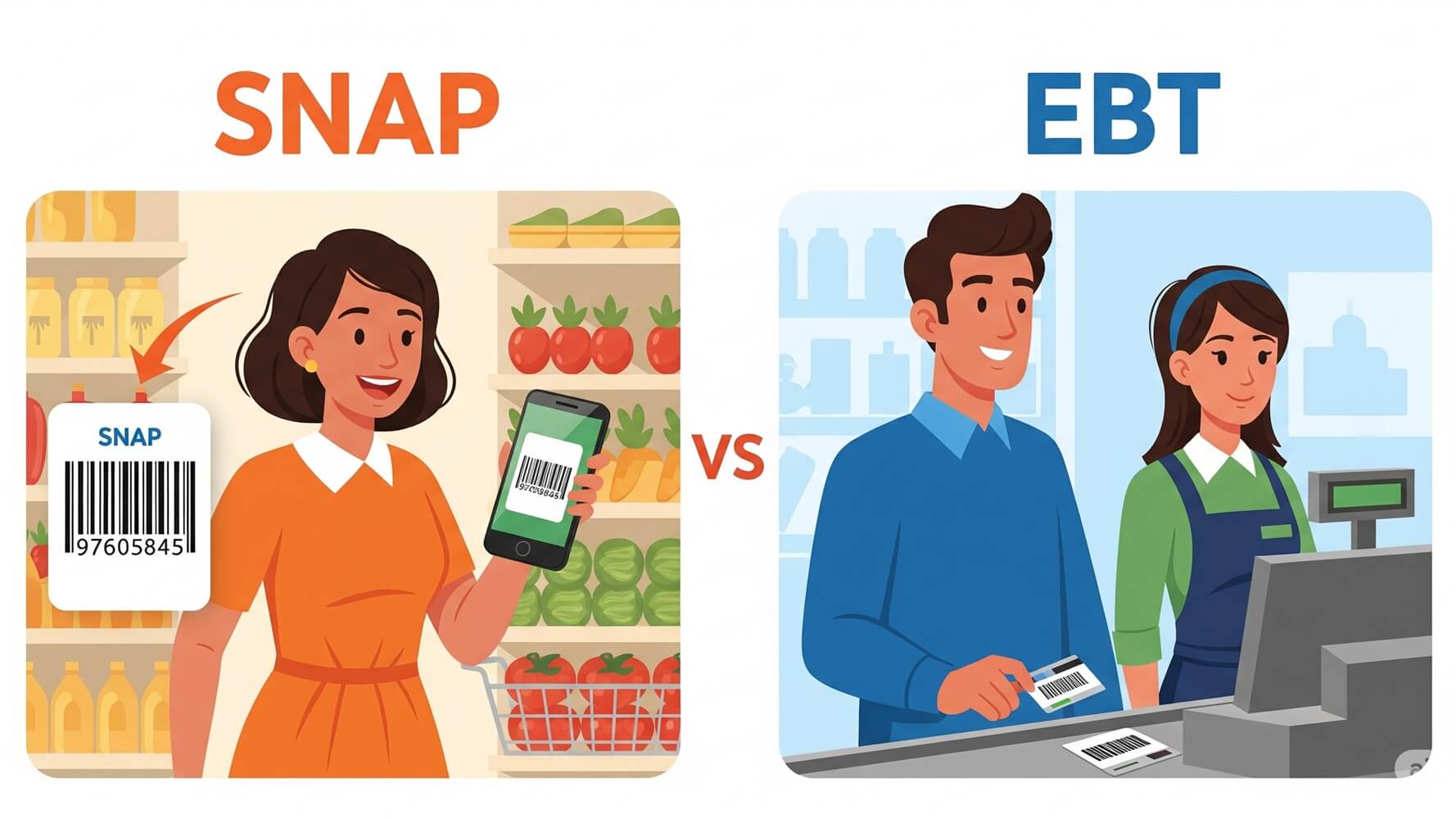
Let’s make it a bit more clear. Imagine you’re at the store with your EBT card, and you see a cool new video game. You won’t be able to pay for it with your EBT. Also, things like cleaning supplies, such as dish soap or laundry detergent, are also off-limits. The program strictly enforces the “food only” rule.
Think of it in this way: EBT is designed to make sure that people have access to food for themselves and their families. It covers basic nutritional needs, not every aspect of living. The restrictions on using EBT are very clearly defined to make sure the funds are used appropriately.
Here’s a quick list of non-food items that are not allowed:
- Toiletries (soap, shampoo, etc.)
- Household goods (paper towels, toilet paper)
- Medications (prescription or over-the-counter)
- Pet food
Alcohol and Tobacco
Buying alcohol or tobacco products with EBT is a big no-no. These items aren’t considered essential for a healthy diet, and using food assistance funds to purchase them would violate the program’s rules. The federal government closely monitors how the program is used, and these purchases are against the regulations.
These are considered luxury items, not basic needs. The idea is to provide resources for healthy eating and proper nutrition, not for items that may be harmful to the body. Even if you’re short on cash and really want a pack of cigarettes, your EBT card just won’t work for that.
The enforcement of these regulations is pretty serious. Stores are also not allowed to sell alcohol or tobacco with the EBT card. This system helps ensure the funds are spent according to the program’s rules, helping to keep the assistance focused on nutritional needs.
Here’s a breakdown:
- Alcoholic beverages (beer, wine, liquor) are not allowed.
- Tobacco products (cigarettes, cigars, etc.) cannot be purchased.
- Any store violating this rule could face serious penalties, including losing the ability to accept EBT cards.
Prepared Foods
You can’t use EBT to buy hot, prepared meals or food to eat in the store. This includes things like restaurant food, deli items, and ready-to-eat meals. The idea is to help people buy groceries to prepare and cook meals at home.
The reasoning behind this is simple: the program focuses on providing food for you to cook. This is different from a restaurant, or even a hot food bar at a grocery store. The food assistance is aimed at helping families prepare nutritious meals at home rather than providing ready-to-eat foods.
This rule also makes it easier to monitor the spending of the funds and ensures that the money is used as intended: for groceries. While it might seem convenient to grab a meal at the store, that’s not what EBT is for.
Here’s a quick table summarizing the rules:
| Allowed | Not Allowed |
|---|---|
| Raw ingredients (produce, meat, etc.) | Hot prepared foods |
| Grocery store deli items (if cold) | Restaurant meals |
Non-Food Store Items
Even if a store sells both groceries and non-food items, like a large supermarket, your EBT card will only work on the food portion. You can’t use it to buy things like electronics, toys, or clothes, even at a grocery store that carries them.
Think of it like having a separate budget for food. The EBT card covers your food budget, but other needs must come from another source. Even if you’re buying groceries and some school supplies in the same shopping trip, you can only use your EBT for the food items.
This helps keep the food assistance resources focused on their primary purpose: providing food. It might mean you have to pay for the non-food items with cash or another payment method, even though you’re already at the checkout with your EBT card.
Here are some examples of items that aren’t allowed:
- Clothing
- Electronics
- Toys
- Cosmetics
Vitamins and Supplements
Generally, vitamins and supplements aren’t covered by EBT. While these things are important for overall health, they’re not considered essential food items in the eyes of the program. They are seen as a supplementary item, not a core food item.
The program is mainly focused on providing food, such as fruits, vegetables, grains, meats, and dairy products. Vitamins and supplements are often categorized differently, and the EBT program doesn’t cover them. You need to pay for these items using a different form of payment.
If you’re relying on EBT, you will need another way to pay for vitamins and supplements. It’s essential to plan your budget accordingly if these are items you use regularly. They might seem similar to groceries, but the rules are pretty clear about what you can buy.
Here is what you can and can’t get with EBT:
- Supplements and vitamins are generally not approved.
- Regular food items like fruits and vegetables are approved.
- Read labels carefully to check if a product is EBT eligible.
Pet Food
EBT food stamps are for humans, not pets. You can’t buy dog food, cat food, or any other food for your animals with your EBT card. The program is aimed at supporting families and individuals, not providing for pets.
This is because the government wants to ensure the funds are used for human consumption. Pet food is seen as a separate expense. Even if your pet is part of your family, the EBT program is only for food for people.
You will need to use another way to pay for pet food. If you have pets and rely on EBT for groceries, you will also need to budget for their food separately. Keep this in mind when you plan your shopping trip, so you don’t run into a problem at the checkout.
Here’s a table to clarify further:
| Item | EBT Eligible? |
|---|---|
| Dog Food | No |
| Cat Food | No |
| Your Food | Yes |
In conclusion, EBT food stamps are designed to help people afford groceries and ensure they have food on the table. While they are a great resource, there are clear restrictions on what you can buy. Understanding these limitations, such as those on alcohol, prepared foods, and non-food items, helps people use their benefits correctly and make the most of the program. By following the rules, EBT helps those who are eligible obtain the food they need for healthy meals.