Figuring out how much food assistance a family can get can feel tricky! The Supplemental Nutrition Assistance Program, often called SNAP or food stamps, helps people with low incomes buy food. Many families wonder, “What is the food stamp limit for a family of 3?” This essay will help you understand how SNAP works and answer that question, along with other important things to know about the program.
The Basic Food Stamp Limit
So, let’s get right to it! For a family of three, the maximum gross monthly income to qualify for SNAP is approximately $2,633. However, this number changes slightly depending on the state and the specific rules in place at the time. This means the total amount of money the family earns each month before taxes, needs to be at or below this amount. The amount of SNAP benefits a family receives depends on their income, expenses, and some other factors.
Income and SNAP Benefits
The amount of money a family makes is a big deal when it comes to SNAP. The government looks at the family’s “gross income,” which is the total amount of money earned before any deductions like taxes or insurance are taken out. This includes money from jobs, self-employment, unemployment benefits, and other sources.
SNAP also considers “net income,” which is gross income minus certain deductions. These deductions can include things like:
- Childcare costs
- Medical expenses for elderly or disabled family members
- Excess shelter costs (rent or mortgage payments that are higher than a certain amount)
These deductions help determine how much SNAP a family might qualify for. SNAP benefits are calculated based on a formula that takes into account net income and family size. A family’s net income is compared to the poverty guidelines to determine eligibility and benefit amount.
States have different ways of calculating net income, so make sure to check your state’s website or speak with a local SNAP office for the most accurate details.
Assets and SNAP Eligibility
The second thing the government looks at is assets.
Besides income, the government also looks at your assets. Assets are things you own, such as money in bank accounts, stocks, and bonds. However, not all assets are counted. For example, your home and car generally aren’t counted. The asset limits for SNAP can vary by state. This means there is a limit on how much money and other property a family can have and still be eligible for SNAP. The limits are set to help those with the greatest need.
Some states may have no asset limits, while others might have limits for families with elderly or disabled members. It is very important to note that:
- The specific asset limits vary from state to state.
- Some assets, like your primary home and car, are often exempt and don’t count towards the limit.
This rule is to make sure the people who truly need assistance are able to receive it.
Deductions and How They Affect Benefits
As mentioned earlier, certain expenses can be deducted from your gross income to arrive at your net income, which will then be used to determine your SNAP benefits. These deductions can significantly impact your eligibility and the amount of benefits you receive.
One common deduction is for childcare expenses. If you have to pay for childcare so you can work, go to school, or look for a job, those costs can be subtracted from your gross income. This is a way for SNAP to recognize that working families often have extra expenses. Other common deductions include:
- Medical expenses for elderly or disabled members of your household that exceed $35 per month.
- Legally obligated child support payments.
Understanding these deductions is key to figuring out your net income and potential SNAP benefits. It’s a good idea to keep records of these expenses so you can prove them when you apply for SNAP. This is a very important detail to understand when you consider applying.
How to Apply for SNAP
Applying for SNAP usually involves a few steps, but it is important for those who may be eligible. First, you’ll typically need to fill out an application. You can usually do this online, in person at a local SNAP office, or by mail. Each state has its own application form, so you’ll need to find the one for your state.
After you submit your application, you’ll usually need to provide some documentation to prove your income, expenses, and other details. This might include pay stubs, bank statements, rent receipts, and other documents. Then, the SNAP office will review your application and documentation to determine if you are eligible. The whole process can take a couple weeks or more.
The SNAP office will also conduct an interview, either in person or over the phone, to ask you questions about your situation. Here’s a quick look at the general application process:
| Step | Description |
|---|---|
| 1. Application | Complete and submit the SNAP application form. |
| 2. Documentation | Provide proof of income, expenses, and other required documents. |
| 3. Interview | Participate in an interview with a SNAP worker. |
| 4. Determination | The SNAP office reviews your application and decides if you are eligible. |
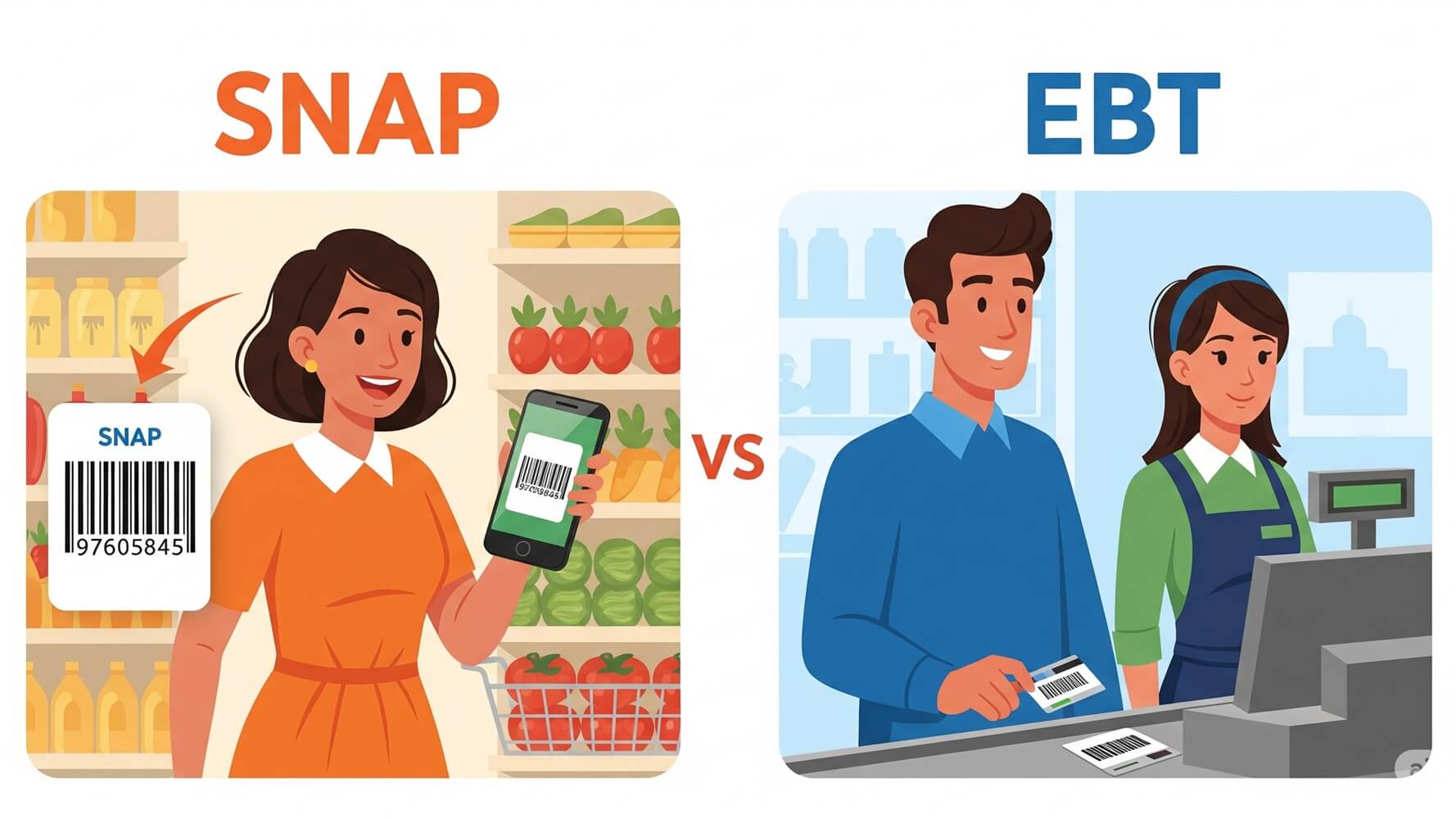
If you are approved, you will receive SNAP benefits in the form of an Electronic Benefit Transfer (EBT) card, which is like a debit card. You can then use the card to buy eligible food items at approved stores.
What Can You Buy With SNAP?
SNAP benefits are designed to help families buy food. You can use your EBT card to purchase a variety of food items at grocery stores, supermarkets, and other authorized retailers. Generally, you can buy any food items intended for human consumption.
Here are some examples of things you can buy with SNAP:
- Fruits and vegetables
- Meats, poultry, and fish
- Dairy products
- Breads and cereals
- Snack foods, like chips and cookies
However, there are also some things you CANNOT buy with SNAP. These include: alcohol, tobacco, pet food, and non-food items like paper products or cleaning supplies. Hot foods, like a rotisserie chicken that has been prepared at the grocery store, are generally not allowed. The program is strictly for food to provide the best nutrition for your family.
Always check the specific rules and guidelines in your state for the most accurate information. SNAP is made to help people get their basic needs met.
Renewing SNAP Benefits
SNAP benefits aren’t permanent. You usually need to renew your benefits periodically, like every 6 months or a year. The renewal process helps the government make sure that the recipients still qualify for SNAP. This also allows the agency to update information to ensure eligibility requirements are still met.
You’ll receive a notice from your local SNAP office when it’s time to renew. This notice will tell you what you need to do, such as:
- Complete a renewal application.
- Provide updated documentation of income and expenses.
- Participate in an interview.
It’s really important to renew your benefits on time to avoid any gaps in your food assistance. If you don’t renew, your benefits could be stopped. Keeping your contact information up-to-date is also important so you get the renewal notices. Sometimes, the renewal process can be a little simpler than the initial application if your situation hasn’t changed much.
The renewal process ensures that the people receiving SNAP are still eligible and have the proper assistance.
Conclusion
In conclusion, understanding SNAP, its eligibility requirements, and how to apply is important for many families. While the exact food stamp limit for a family of 3 can vary slightly by state, keeping in mind the general income and asset limits is essential. SNAP provides a lifeline for many families to ensure they have enough nutritious food. Following the steps outlined in this essay can help you determine your eligibility for SNAP benefits.